
Roof Leak Repair in the USA
Nez Perce County Pro Roofing Services sends technicians to trace water entry on shingle roofs nationwide. Heat from summer sun dries out asphalt and loosens granules while winter freeze-thaw cycles crack the mat. Wind-driven rain then finds those openings and travels along the underlayment until it drips into the attic or ceiling.
Our crews focus only on the affected course rather than the entire slope. They lift individual shingles, examine the felt or synthetic underlayment, and replace cracked or missing tabs with matching three-tab or architectural shingles secured by roofing nails and plastic cement at the corners. After handling roof leak repair across the USA homeowners notice shingle wear from wind so contact Nez Perce County Pro Roofing Services.
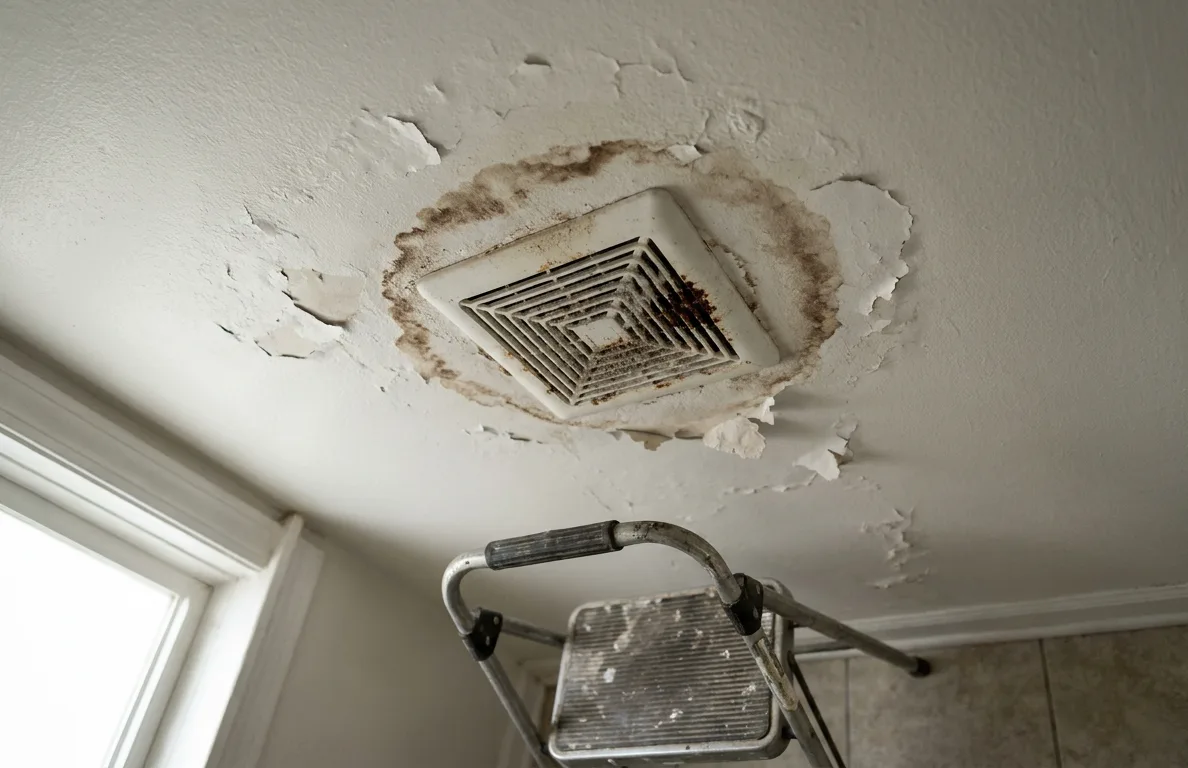
Warning Signs of a Roof Leak
- Dark water rings on ceiling drywall after rain
- Damp insulation visible from attic access hatch
- Granule piles collecting in gutters after storms
- Soft spots felt when walking certain roof areas
- Daylight visible through roof deck from inside attic
Common Causes on Shingle Roofs
Prolonged sun exposure bakes the asphalt coating and releases granules that protect the fiberglass mat. Once the mat is exposed, UV light accelerates cracking. Freeze-thaw cycles then force water into those cracks and expand them overnight, creating paths that bypass the sealant strips.
High winds pry up shingle edges on the windward slope, breaking the factory adhesive. Snow load from heavy winters compresses lower courses and forces ice under the tabs. Both conditions allow meltwater to reach the deck without visible damage from the ground.
Flashing around plumbing vents and valleys often separates after years of thermal movement. When the metal no longer lies flat, water runs behind it and enters the attic at the nail line.
What Technicians Inspect and Measure
Technicians start in the attic with a moisture meter on the underside of the decking to map the wet area. They measure the distance from the stain to the nearest ridge and eave to determine which course of shingles sits above the leak. Granule loss is checked by rubbing a gloved hand across the surface and noting how much material comes away.
Each suspect shingle is lifted gently to inspect the nail heads for rust and the underlayment for tears. Technicians also check the sealant strip adhesion and note whether previous repairs used caulk instead of proper step flashing. All measurements are recorded so the repair crew brings the correct number of replacement shingles and underlayment patches.
Repair Options and Materials Used
Small isolated leaks are fixed by removing three to five damaged shingles, cutting a new piece of synthetic underlayment to overlap the existing felt by six inches, and installing fresh shingles with four nails each. Plastic roofing cement is applied under the tabs and along the sides to restore the water seal.
When multiple courses show widespread granule loss, technicians recommend removing the affected rows and installing new architectural shingles that match the remaining roof color and thickness. This keeps the repair localized while restoring wind resistance and granule coverage across the repaired section.
What Homeowners Should Do First
Place a bucket or plastic sheeting under the ceiling stain to catch drips and prevent drywall saturation. Move furniture and stored items away from the wet area. Avoid climbing onto the roof or attempting temporary patches with tarps, as improper placement can drive water farther under the shingles.
Note the date and time of the most recent rain so technicians can correlate the leak with wind direction. Turn off power to any ceiling fixtures near the stain to reduce risk of electrical contact with water. These steps limit interior damage until Nez Perce County Pro Roofing Services arrives to locate and correct the source.
Roof Leak Repair questions
How do technicians find the leak without removing the whole roof?
They begin in the attic with moisture meters, then measure upward from the wet spot to the course of shingles directly above. Lifting a few tabs reveals whether the underlayment or flashing is the entry point, allowing targeted repair without disturbing sound areas.
Can a leak be fixed from inside the attic?
No. Water enters from above, so the repair must seal the exterior surface. Interior caulk may slow drips temporarily but does not stop the source and can trap moisture against the decking, leading to rot.
What materials match existing three-tab shingles?
Technicians select new shingles with the same exposure height and color blend. They use galvanized roofing nails and asphalt-based plastic cement at the corners and overlaps to recreate the original water-shedding detail.
Does snow load cause leaks on its own?
Heavy snow compresses lower courses and can force ice under the tabs during melt cycles. Once the ice dam melts, water follows the path of least resistance under the shingles and reaches the deck if the underlayment is already damaged.
Request Roof Leak Repair
Contact Nez Perce County Pro Roofing Services to schedule an inspection focused on your roof leak.