Heat expands and contracts asphalt shingles daily while UV rays dry out the granules that protect the mat below. Freeze-thaw cycles lift edges and allow water to work under tabs, especially on north slopes that stay shaded longer. Our technicians trace these seasonal patterns when inspecting a roof rather than treating only the visible symptom.
Wind-driven rain forces water sideways under flashing and around penetrations while heavy snow load compresses seams and pushes ice against eaves. Over years these forces separate layers and expose the deck. Nez Perce County Pro Roofing Services evaluates each condition separately so the chosen repair matches the actual aging mechanism at work. Every service below is available from Nez Perce County Pro Roofing Services across the USA.
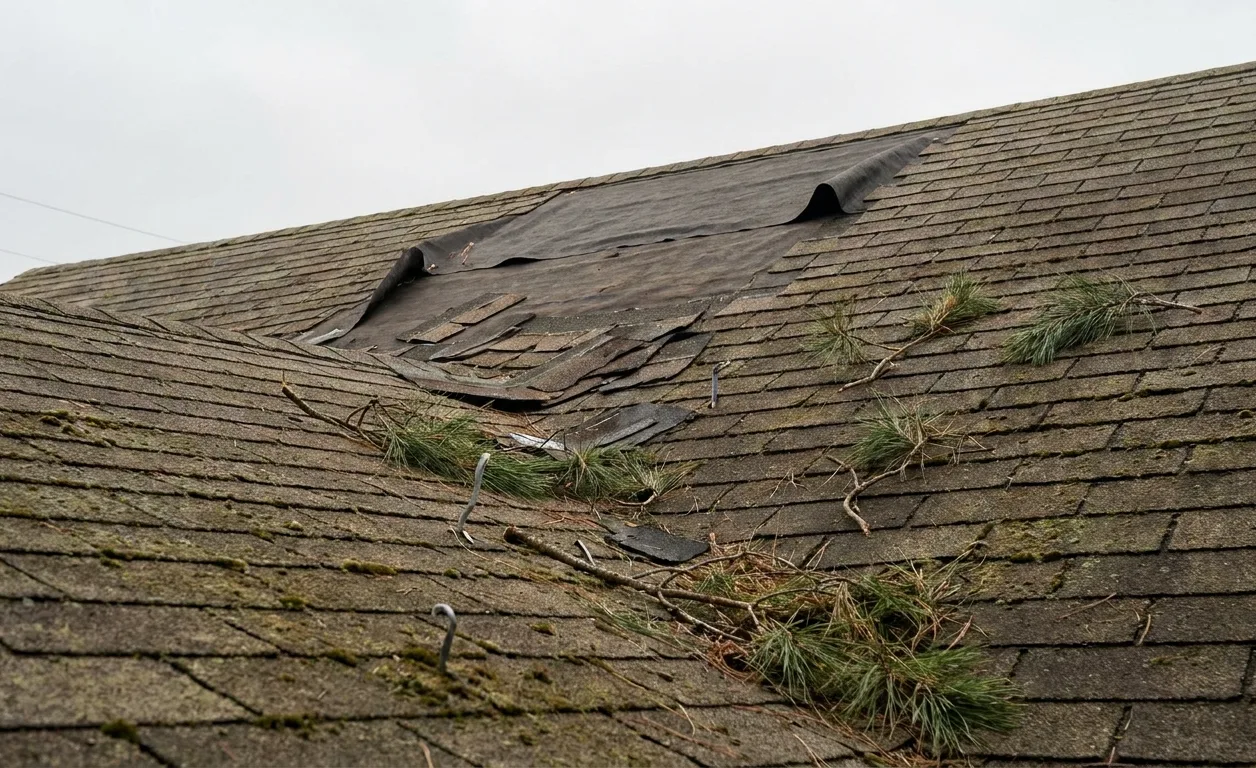
Technicians start at the drip edge and work upslope, lifting each tab to check for granules in the gutter and felt that has turned dark from repeated wetting. They replace individual shingles where the mat is intact and reseal only the courses that show lifted corners from wind lift.
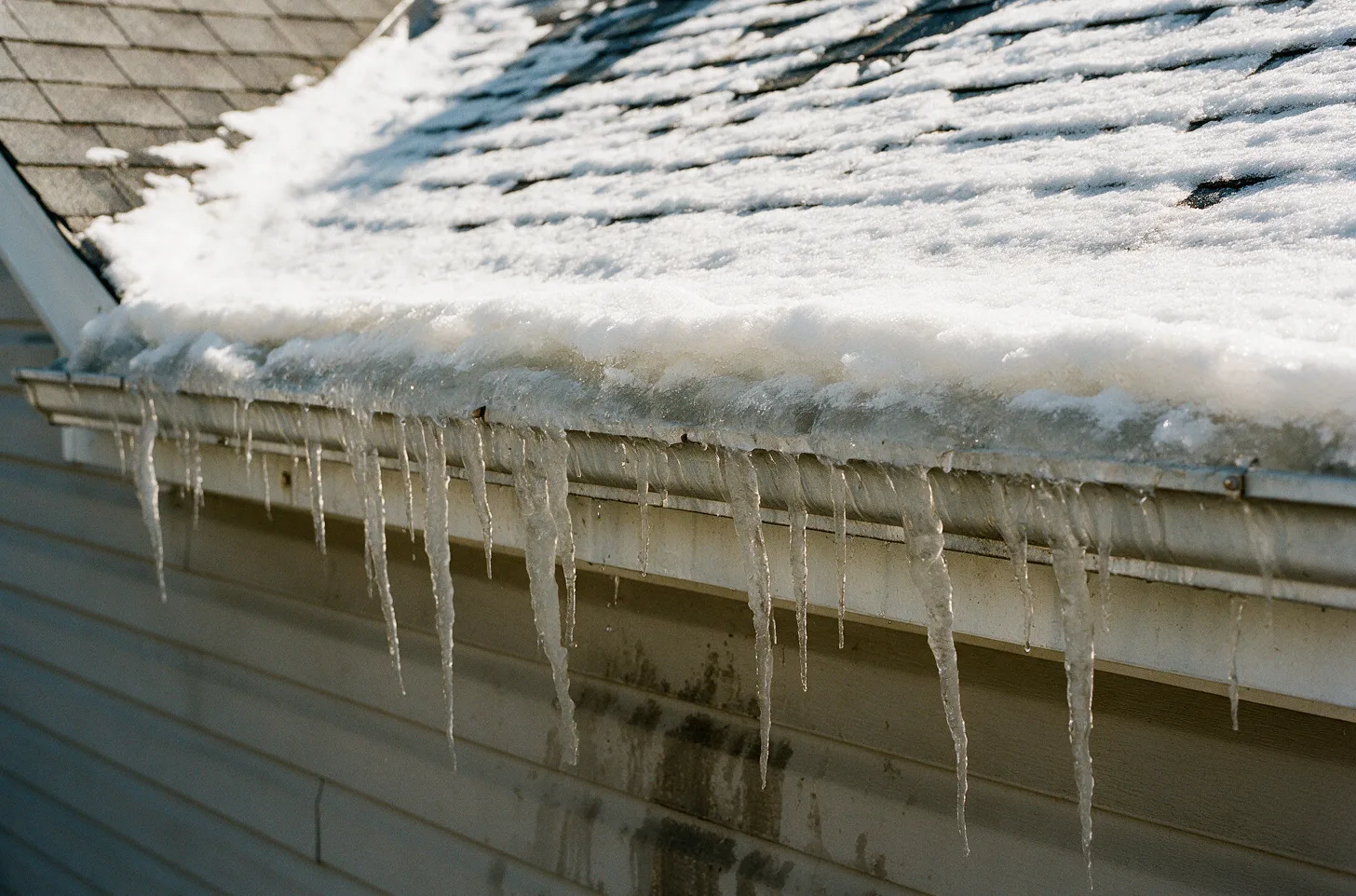
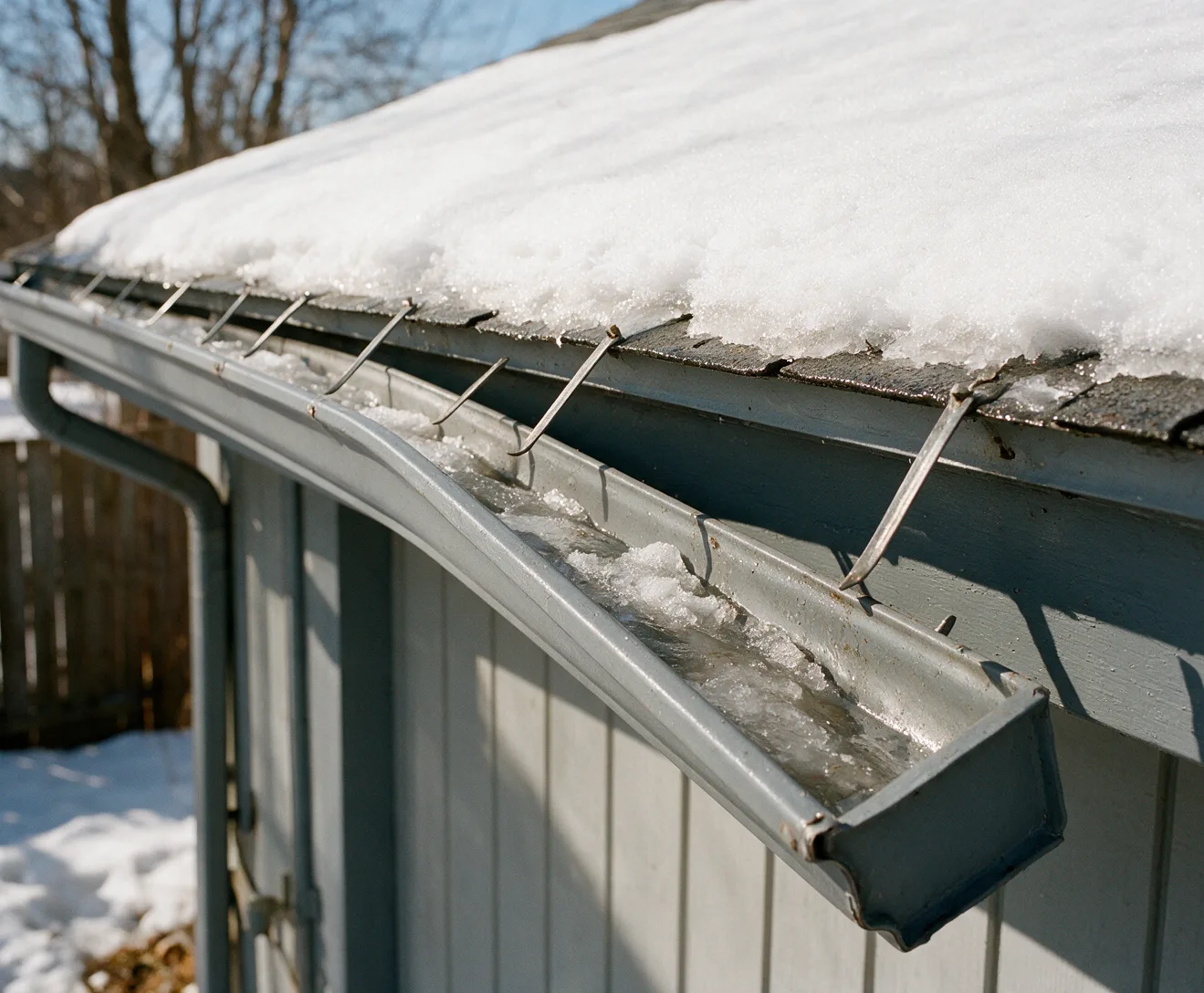
Ice forms when heat escaping the attic melts snow on the lower roof then refreezes at the colder eave. Our crews cut back affected shingles, add new ice-and-water membrane upslope of the dam line, and restore the shingle course so melt water drains before it backs under the roof plane.
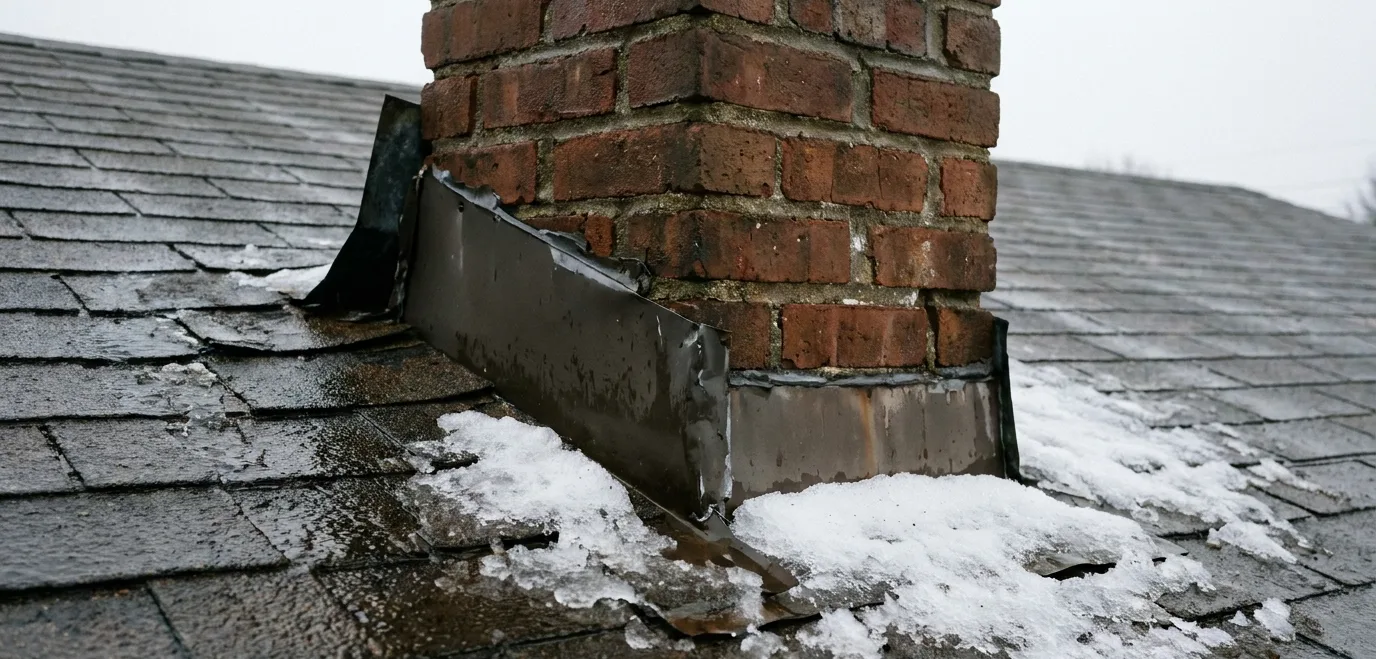
Step flashing tucked behind siding often works loose after repeated expansion. Technicians remove the row of shingles above, slide new pieces of step flashing into the joint, and weave them with fresh shingles so water traveling down the wall cannot reach the deck at the angle change.
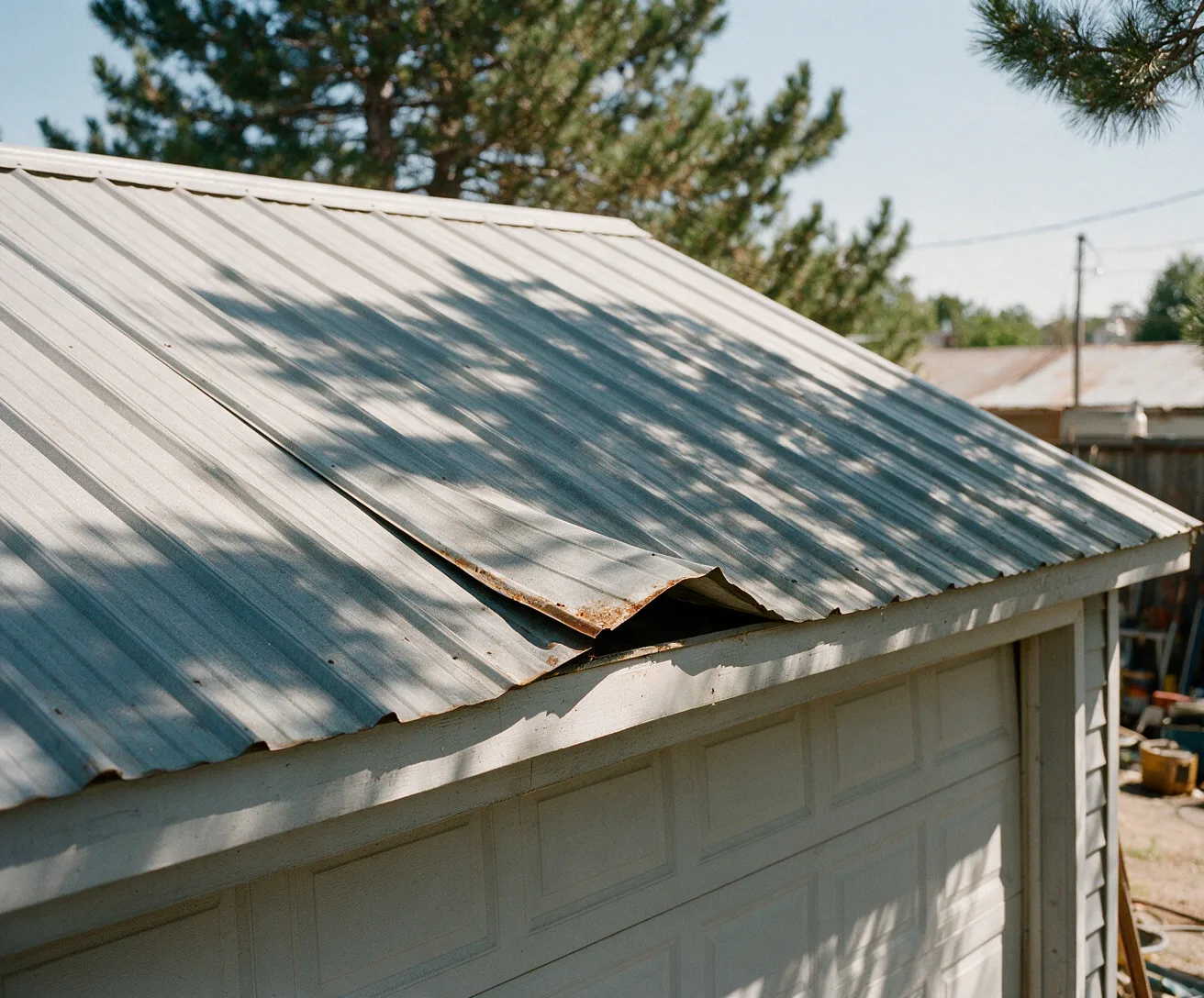
Standing seams can separate when fasteners back out from thermal movement. Crews clean the seam, apply butyl tape along the rib, and crimp a new seam cap that allows the panel to move without tearing the fastener holes or allowing wind-driven water under the metal.
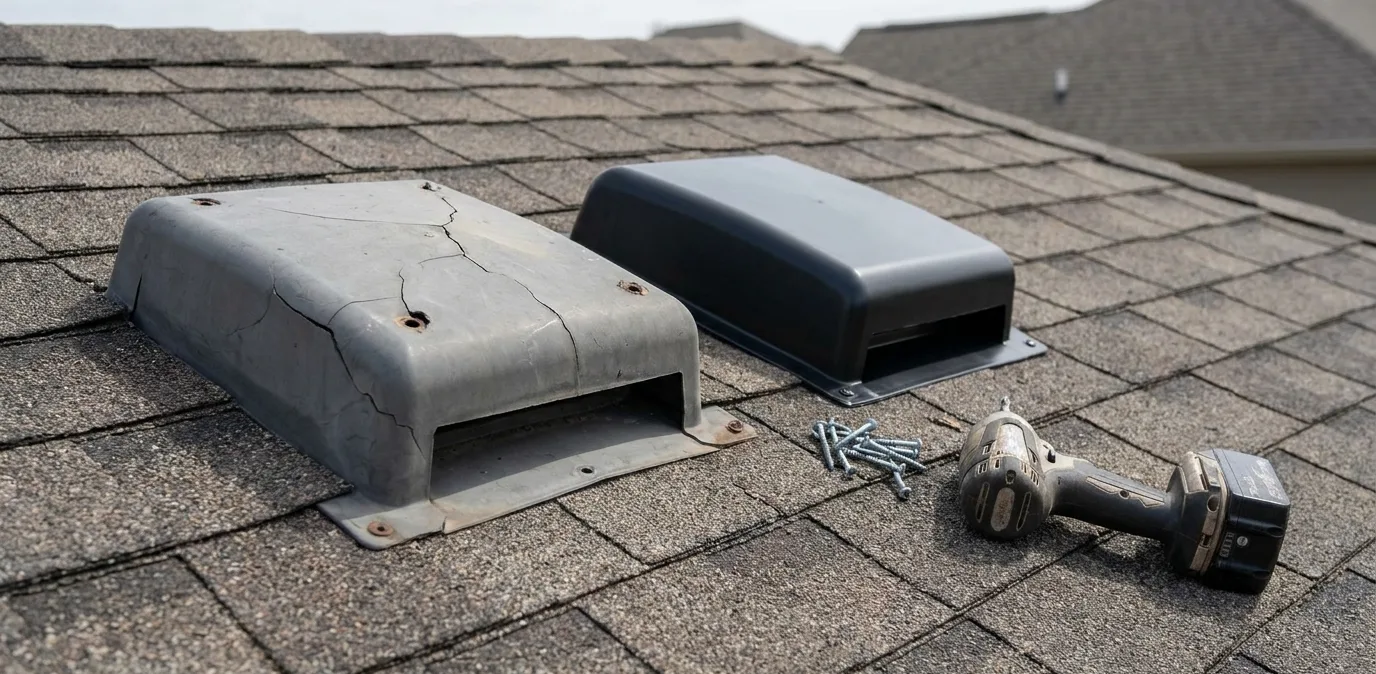
Pipe boots crack where the rubber meets the flashing ring after years of sun exposure. Technicians cut out the damaged boot, slide a new pre-formed collar over the pipe, and secure it with screws into the deck so hot air continues to escape without creating a new entry point for rain.
Ice weight bends spikes and pulls hangers away from the fascia. Crews replace bent sections with matching profile, add longer screws through the back into rafter tails, and ensure the slope still carries water away from the eave so melt does not pool against the shingles.
Hail dents compress the granule surface and crack the underlying mat along impact lines. Technicians mark every dent larger than a dime, remove only those shingles, and match the replacement tab for tab so the repaired slope sheds water the same way the original surface did before the storm.
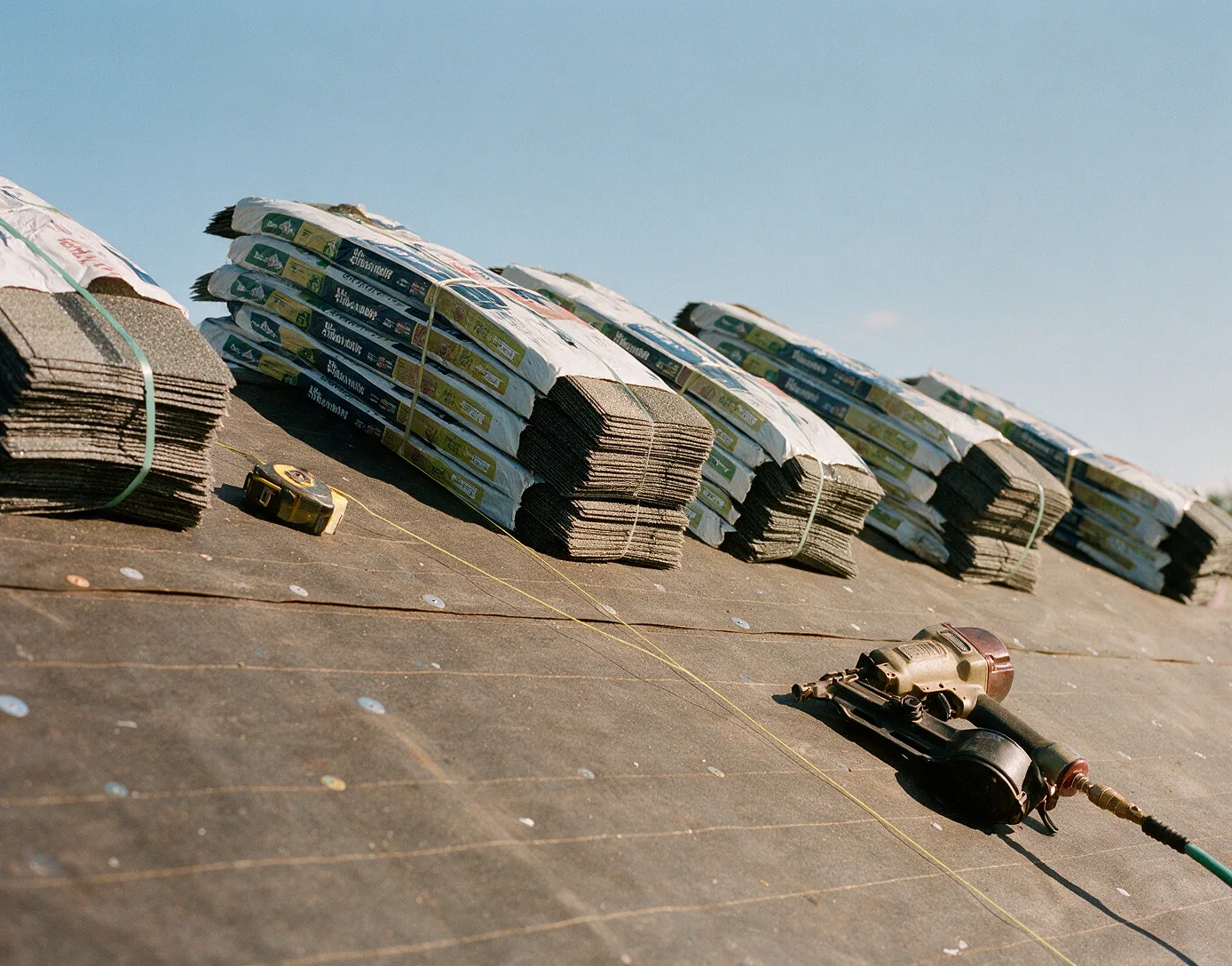
When multiple layers have reached the point where patches no longer hold, crews strip to the deck, inspect for rot at valleys and penetrations, then install new underlayment and shingles in courses that maintain the correct offset so wind cannot lift the leading edges of the new roof.
Matching the visible signs to the correct service
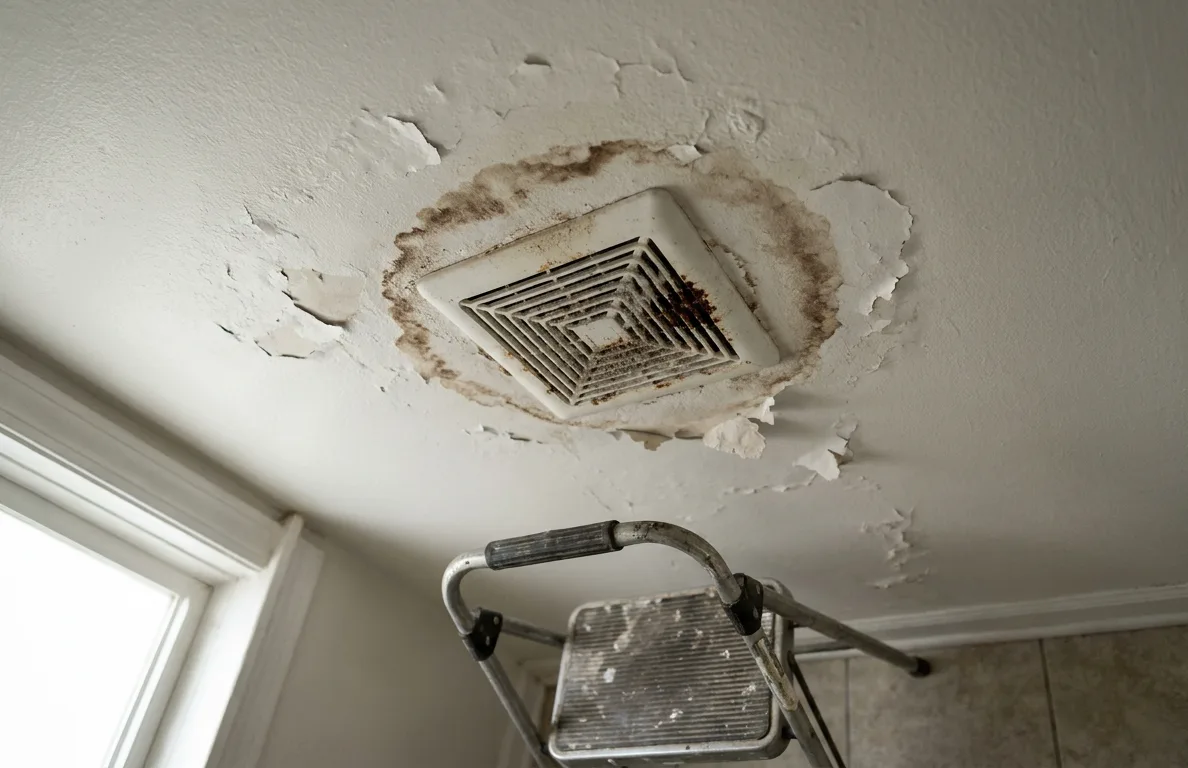
Granule loss in gutters combined with dark streaks below ridge vents points to aging underlayment that needs targeted leak repair rather than full replacement. Buckled shingles along the eaves after a winter with heavy snow indicate ice dam damage that requires membrane work at the lower courses.
Dents concentrated on one slope after a hail event call for storm damage repair while loose metal seams or lifted flashing at transitions need their own fixes. Checking which penetrations leak during wind-driven rain helps separate vent or gutter issues from broader deck problems before deciding on replacement.